Key takeaways
• The right badminton racquet depends on skill level, comfort and playing environment rather than price or professional use. Choosing equipment that suits current ability helps players learn proper technique, enjoy the game and progress with confidence.
• Beginners and children benefit most from racquets that are easy to handle and forgiving. Age-appropriate size, manageable weight and comfortable feel reduce frustration and support early skill development.
• School and recreational environments require racquets that are durable and consistent across multiple users. Equipment designed for shared use helps sessions run smoothly and keeps the focus on participation and learning.
• As players improve, racquet choice becomes about refinement rather than dramatic change. Many intermediate and confident recreational players prefer racquets that offer clearer feedback and control while remaining comfortable to use.
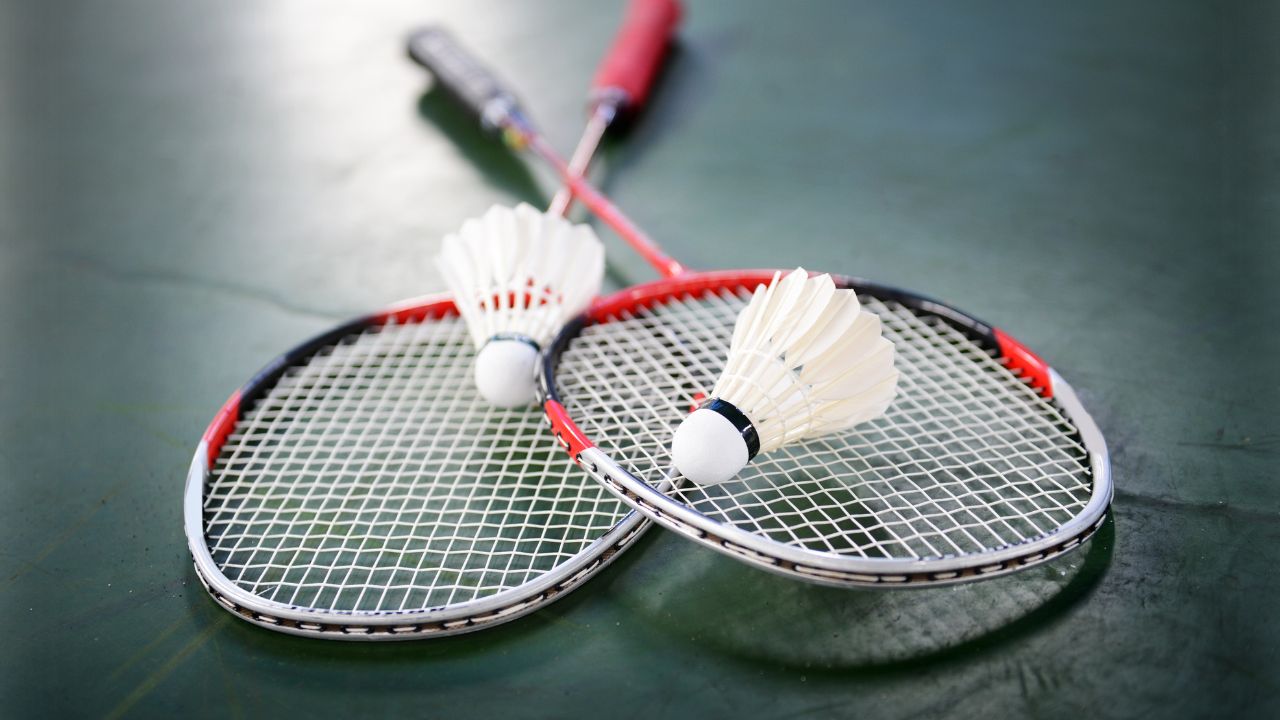
• Racquet performance is influenced by the overall setup, including shuttles and court equipment. Durable shuttles suit lessons and group play, while feather shuttles are often introduced for training or competition where feel matters more.
• Avoiding common mistakes, such as choosing advanced racquets too early, can save time and frustration. Selecting equipment that matches current needs supports safety, confidence and long-term enjoyment of the game.
Choosing a badminton racquet can feel overwhelming when you are faced with a wide range of weights, constructions and designs. The truth is that the right racquet is not the most expensive option or the one used by elite players. It is the one that suits your current ability, feels comfortable to use and matches the environment you play in.
This guide explains how to choose a badminton racquet in a clear and practical way. Rather than overloading you with technical detail, it focuses on what actually matters at each stage of play so you can make a confident decision without second-guessing yourself.
How to choose a badminton racquet if you are new to the game
If you are just starting out, ease of use should be your top priority. Early on, the focus is on learning basic strokes, keeping rallies going and enjoying the game rather than chasing power or precision.
Beginner-friendly racquets are designed to be more forgiving and comfortable to use. They help you make cleaner contact more often and reduce frustration while you are still developing coordination and timing. When choosing a badminton racquet at this stage, look for:
• A durable frame that can handle frequent use
• A forgiving string setup that helps the shuttle travel with less effort
• A balanced feel that is comfortable in the hand
Lower or moderate string tension is often easier for beginners because it creates a larger sweet spot and helps with depth on clears. Racquets designed for advanced players may feel impressive, but they are usually less forgiving and can slow early progress.
How to choose a badminton racquet for children and young beginners
Children should not be using the same racquets as adults. Racquet size and handling have a direct impact on confidence and skill development at a young age.
Shorter and lighter racquets are easier for children to control and swing correctly. They reduce strain and allow young players to focus on learning proper technique rather than compensating for equipment that feels too large. When selecting a badminton racquet for children or young beginners, consider:
• Shorter length for easier handling
• Lightweight construction for better control
• Simple and durable design suited to learning environments
Starting with age-appropriate equipment helps build confidence and encourages long-term participation in the sport.
How to choose a badminton racquet for school and recreational play
School and recreational settings place different demands on equipment than individual play. Racquets are often shared, used by mixed ability groups and stored between sessions, which makes durability and consistency especially important.
In these environments, reliable equipment helps sessions run smoothly with fewer interruptions. Racquets that are forgiving and robust help players of varying skill levels stay engaged while making lessons easier to manage. When choosing a badminton racquet for group or social use, prioritise:
• Durability for repeated handling
• A consistent feel across multiple racquets
• Easy handling for a wide range of players
Selecting a badminton racquet that performs well in shared settings keeps sessions focused on participation and learning rather than equipment problems.
How to select a badminton racquet for improving and intermediate players
As players become more consistent, their equipment needs begin to shift. Improving players often look for better feedback and control while still wanting a racquet that remains forgiving.
At this stage, selecting a badminton racquet becomes more about refinement than dramatic change. Many players prefer racquets that offer clearer feedback on contact and a slightly firmer feel without becoming demanding. Features that often suit this level include:
• More responsive feel for shot feedback
• Slightly firmer string setup for added control
• A balanced design that supports both defence and attack
The right racquet at this level should support development without forcing frequent upgrades.
How to choose a badminton racquet for confident recreational and training players
Confident recreational players and those involved in regular training usually value consistency and accuracy. These players tend to have reliable technique and benefit from racquets that respond predictably during play.
When choosing a badminton racquet at this level, the focus shifts toward feel and responsiveness rather than raw power. Suitable options often provide:
• Improved control for placement and consistency
• Even response across the string bed
• A balance between performance and durability
Even for experienced recreational players, racquets built specifically for elite competition may feel unforgiving if used outside that level of play.
How to choose the right shuttlecock and setup to match your racquet
A badminton racquet does not perform in isolation. Shuttles and court setup also influence how the game feels and plays.
For most learning, school and recreational environments, durable shuttles are practical because they offer consistent flight and last longer during repeated use. In more advanced training or competition settings, feather shuttles are often introduced for improved touch and realism, although they typically wear faster. When selecting equipment as a whole, consider:
• Using durable shuttles for lessons and group sessions
• Introducing feather shuttles where performance and feel matter most
• Ensuring nets and court setups suit the available space
Matching your equipment choices creates a more consistent and enjoyable playing experience.
What mistakes to avoid when selecting a badminton racquet
Many players struggle because their racquet does not match their current needs. Avoiding a few common mistakes can save time, money and frustration. These include:
• Choosing advanced racquets too early
• Prioritising marketing claims over practical use
• Ignoring age and physical size
• Overlooking durability in shared environments
Choosing a badminton racquet should support confidence and enjoyment rather than trying to shortcut development.
Why shared playing environments affect racquet choice
In schools, clubs and community centres, racquets are often used by multiple players and across different sessions. This makes durability and consistency just as important as player skill level.
Equipment designed for shared use is usually more forgiving, helping players maintain control even on off-centre hits. This improves the experience for participants while reducing wear over time. Racquets suited to group environments also make sessions easier to manage and support more consistent learning conditions.
How safety and comfort influence skill development
Comfortable and manageable equipment allows players to focus on learning rather than compensating for difficult gear. Racquets with balanced weight and moderate string tension are often easier to control and place less strain on wrists, elbows and shoulders.
Over time, this supports better technique and reduces the risk of fatigue or minor injury. For beginners and younger players especially, appropriate equipment helps build confidence and encourages continued participation.
How to choose the best badminton racquet
The best racquet is the one that fits your skill level today, not the one you hope to grow into down the track. By focusing on ease of use, durability and appropriate progression, choosing a badminton racquet becomes a logical and manageable process.
Whether you are selecting a badminton racquet for personal play, school programs or recreational settings, the right choice is the one that supports steady improvement and enjoyment of the game.
Find the right badminton equipment with Buffalo Sports
Choosing the right badminton racquet is easier when you have access to equipment designed for every stage of play. Buffalo Sports offers a wide range of badminton racquets, class kits, shuttles and nets suited to schools, clubs and recreational players.
If you are organising equipment for a group or need a tailored solution, you can request a quote, set up a school account or contact us for guidance. From beginner-friendly options to equipment suited for training and competition, Buffalo Sports can help you build the right setup with confidence.