Soccer Goal Buying Guide: Sizes, Materials & Situations
Looking for a soccer goal for your backyard, school or local club? With different sizes, materials and designs available, choosing the right one can feel confusing, especially if you're buying for the first time. The good news is that finding a suitable goal comes down to a few practical considerations. This guide explains the different soccer goal types, recommended sizes and materials to help you make an informed decision.
What size soccer goal do you need?
How big a soccer goal should be depends on the players' ages, available space and whether it's intended for casual practice or organised matches. For junior competitions, Football Australia's MiniRoos guidelines provide the following reference sizes:
| Age group | Recommended goal size |
|---|---|
| Under 6–7 | 2m wide × 1m high |
| Under 8–9 | 3m wide × 2m high |
| Under 10–11 | 5m wide × 2m high |
| Senior full-size matches | 7.32m wide × 2.44m high |
These measurements are useful starting points, although individual competitions may have different requirements. For backyard play, there's no need to follow official dimensions. Smaller soccer goals for kids can make shooting practice more enjoyable while fitting comfortably into limited spaces.
Which soccer goal type is best for your situation?
Not every playing environment needs the same equipment. Consider how and where you'll use your goal before deciding.
Backyard play and casual practice
A compact, portable soccer goal is often ideal for families. Look for lightweight designs that are easy to assemble, move and store between games. If space is limited, smaller goals can help children practise shooting and ball control without taking over the entire backyard.
Junior training and school sports
Schools and junior clubs need equipment that can handle frequent use. Consider sturdy frames, age-appropriate dimensions and designs that are practical to move between training areas. Portable or folding goals can be particularly useful when multiple sports share the same playing space.
Grassroots clubs and competitive matches
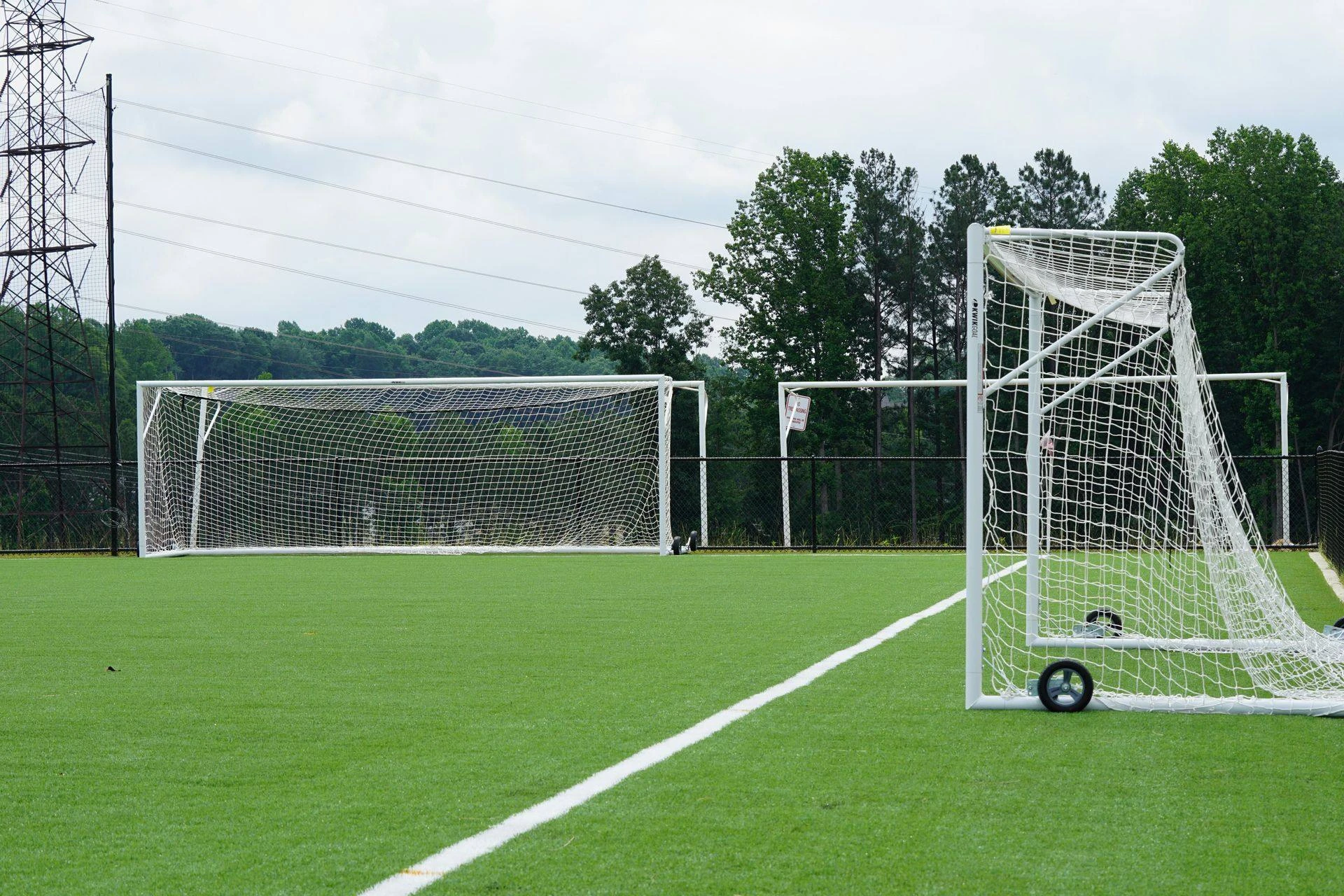
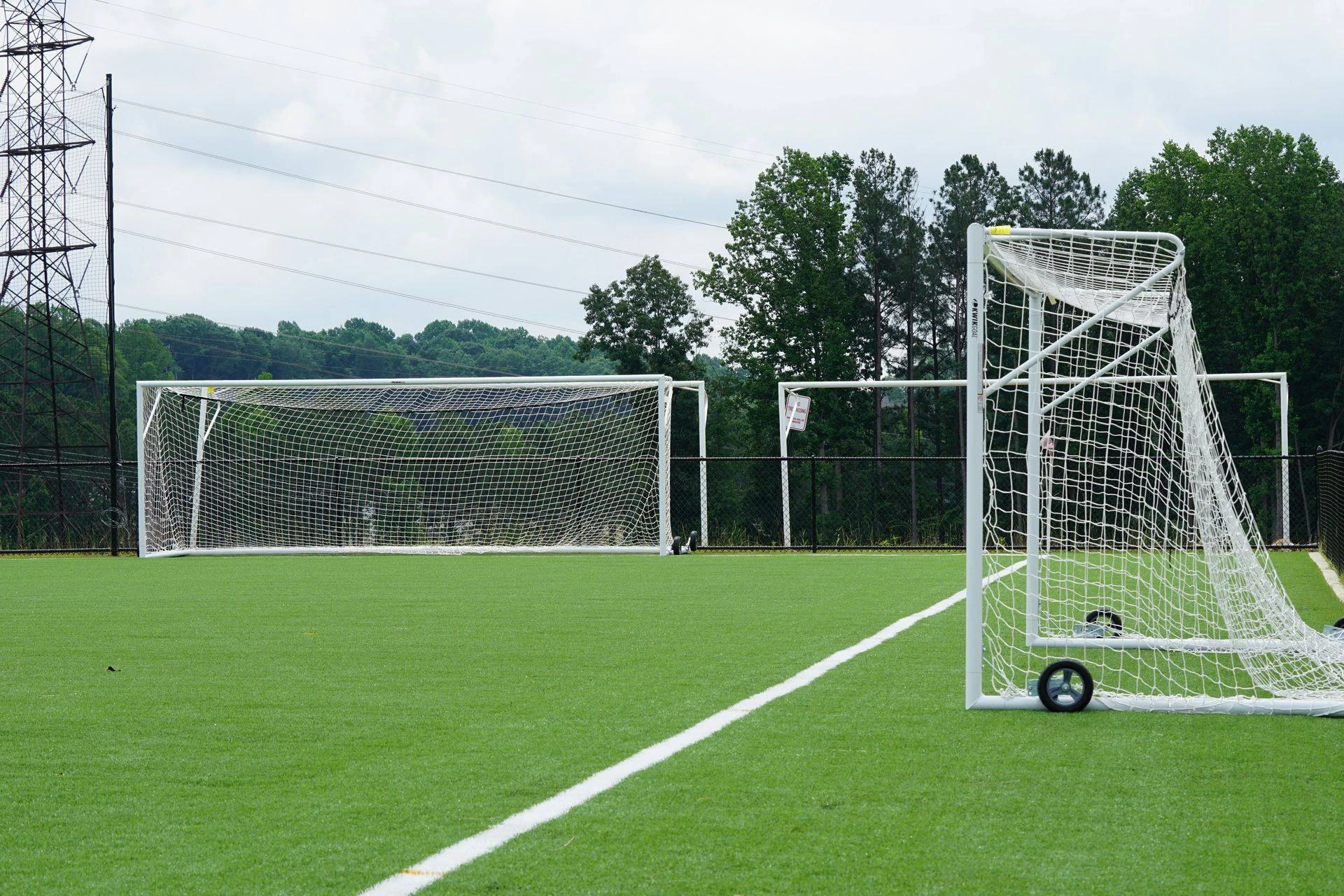
For organised matches, choose goals that meet your competition's size and equipment requirements. Large soccer goals generally require more substantial frames, secure installation and durable netting. Clubs should also consider suitable replacement nets and fittings, particularly when sourcing professional-standard goal nets for soccer clubs.
Which soccer goal materials should you choose?
Frame materials influence durability, portability, maintenance and weather resistance. Common options include:
- Plastic or PVC — Lightweight and generally easy to assemble, making these materials practical for casual backyard games. However, they may be less suitable for heavy use.
- Steel — Strong and durable, often suited to regular training. Look for protective finishes, such as powder coating or galvanising, to help minimise corrosion.
- Aluminium — Lightweight and naturally corrosion-resistant, making it useful for portable goals that need frequent repositioning.
If your goals will remain outdoors, consider exposure to rain, moisture and sunlight. Weather-resistant frames and suitable netting can help extend equipment life, although regular inspections and proper storage remain important.
How can you keep soccer goals safe and secure?
Safety should always come first, particularly when children are using the equipment.
- Anchor portable goals securely according to the manufacturer's instructions.
- Never allow children to climb or hang from crossbars or goal frames.
- Inspect frames, joints, anchors and net attachments regularly.
- Store movable goals securely when they're not in use.
Importantly, even lightweight portable goals can present hazards if installed incorrectly. In Australia, movable soccer goals weighing 28kg or more are subject to a mandatory safety standard.
What should you check before buying a soccer goal?
Before purchasing, ask yourself:
- Who will use the goal, and how old are they?
- Is it for backyard practice, junior training or competitive matches?
- How much playing and storage space is available?
- Will the goal need to be moved frequently?
- Is the material suitable for outdoor conditions?
- Are nets, anchors and other necessary fittings included?
Find the right soccer goals at Buffalo Sports
Whether you're shopping for a child's first goal or upgrading your club's training equipment, choosing the right size, material and design makes all the difference. Explore Buffalo Sports' range of soccer goals and nets to compare options and find equipment suited to your players, space and playing needs.