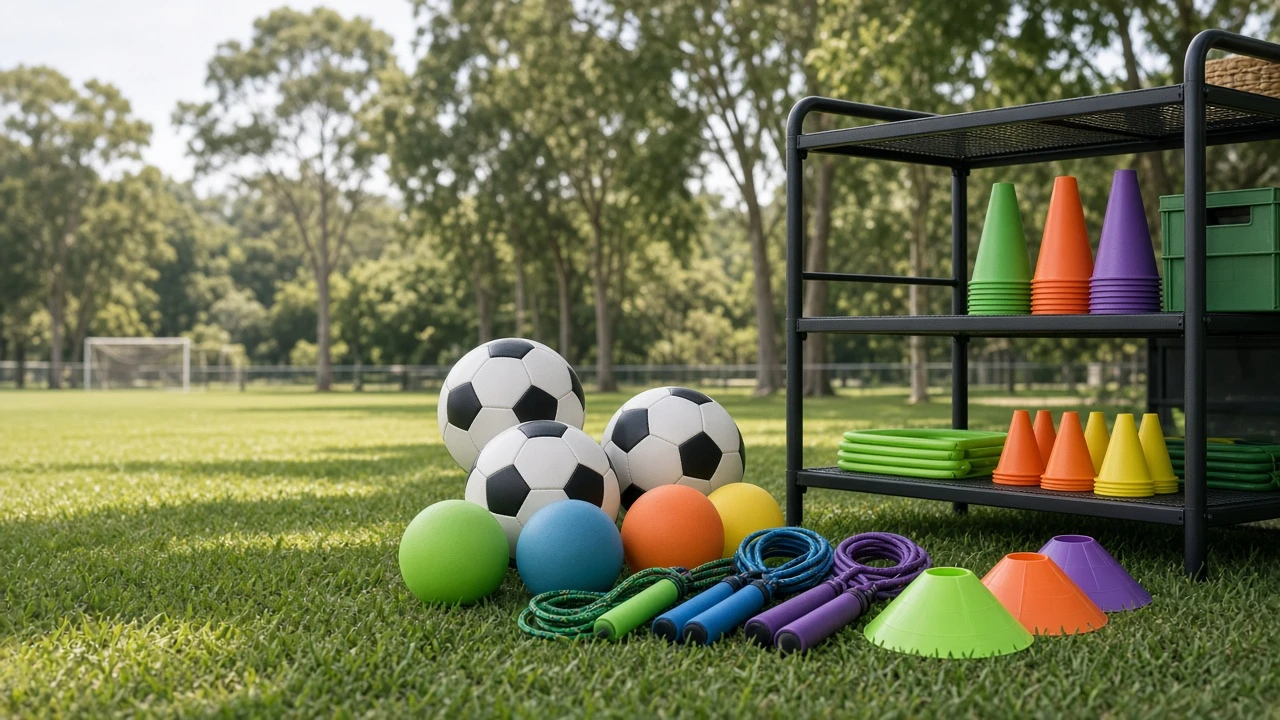

Green sports refers to making sport more environmentally responsible. For community organisations, that can mean being more intentional about the equipment they purchase, how it is used and when it genuinely needs replacing. Choosing sustainable sports equipment can help reduce unnecessary waste while getting more value from every purchase. In this guide, Buffalo Sports explores how teams can make smarter, more eco-friendly equipment choices.
Prioritise durability when selecting sports equipment
One durable, high-quality item that lasts five years can be a better environmental choice than replacing lower-quality gear every season. Fewer replacements mean fewer products need to be manufactured, transported and eventually discarded.
Prioritise equipment that can handle the workload it will actually face. Depending on the product, that might mean looking for:
- Strong stitching and reinforced seams
- Hard-wearing rubber or synthetic surfaces
- Sturdy metal frames and hardware
- Replaceable components
- Commercial-grade construction for high-use settings
- Materials suited to indoor or outdoor storage and use
You can also extend the life of existing equipment with a few simple habits:
- Store balls, mats and fabric equipment away from direct sunlight and moisture
- Allow wet gear to dry before packing it away to help prevent mould, mildew and material deterioration
- Check balls regularly for the correct inflation rather than overinflating them
- Rotate frequently used items so the same pieces are not taking all the wear
- Use racks, cages or dedicated sports storage to avoid crushing, tangling and accidental damage
A little maintenance between sessions can make a noticeable difference to how long equipment stays safe, functional and ready to use.
Choose materials with a lighter footprint
One of the most useful questions to ask when buying sports equipment is simple: what happens when it can no longer be used?
Many sports products contain plastic and rubber, and once discarded, those materials can remain in the environment for a long time. Some plastics can take around 20 to 500 years to break down, while rubber may take anywhere from a few months to thousands of years, depending on whether it is natural, synthetic or vulcanised and the conditions it is exposed to.
That makes material choice worth considering at the point of purchase. Where suitable, look for sustainable sports equipment made with recycled plastics, recycled rubber or responsibly sourced materials, particularly in products such as playballs, mats and other training accessories. Choosing materials that make use of existing waste streams can help reduce reliance on virgin resources and give discarded materials another useful life.
Extend equipment life through repair and maintenance
Not every worn or damaged item needs to be replaced in full. In many cases, fixing or swapping out a single component can extend the life of the equipment while minimising both waste and unnecessary spend.
Common examples include:
- Goal nets and rebounder nets — Swap out torn or frayed netting while keeping the frame in use.
- Pump needles and valves — Small spare parts can keep balls functional for longer.
- Storage bags and straps — Worn handles, zips or straps do not always mean the entire item has reached the end of its life.
- Clips, fasteners and attachments — These high-wear parts can often fail before the main product does.
- Handles and grips — Replacing worn contact points can extend the usable life of otherwise sound equipment.
Buffalo Sports carries essential spare parts such as goal nets, net clips and bags for portable systems. That gives schools and clubs a simpler way to keep otherwise usable gear in rotation instead of retiring the whole setup.
Before placing a new order, it is also worth auditing what you already have. Sort equipment into what is still usable, what can be repaired, what is duplicated and what genuinely needs to be replaced. This can help you avoid over-ordering, make better use of existing stock and direct budget towards the items that are actually needed.
Explore grant funding for sustainable sports equipment upgrades
Sustainable equipment upgrades do not always have to come entirely from an existing sports budget. Schools and community organisations may be able to access grants that help fund new equipment, participation programs or broader sustainability projects.
For schools, the Australian Sports Commission’s Sporting Schools program allows eligible grant recipients to claim up to $1,650 for essential equipment required to deliver an approved introductory sport program.
Community clubs can also keep an eye on programs such as the NSW Government’s Local Sport Grant Program, which supports eligible grassroots sporting organisations with projects including new equipment and facility improvements.
Grant criteria, opening dates and eligible expenses vary, so always check the latest guidelines before planning an equipment upgrade around a specific funding stream.
Shop reliable and long-lasting sports equipment at Buffalo Sports
Choosing sustainable sports equipment is one simple way to put the principles of green sports into action. By buying thoughtfully, caring for gear properly and avoiding premature replacements, teams can lower their environmental footprint while making better use of their budget.
Buffalo Sports supplies teams and clubs across Australia with a large range of equipment for active play and everyday fitness training. We're backed by more than 40 years in the industry and a Melbourne warehouse carrying over 5,000 items ready for dispatch. Shop online and invest in premium sports goods at affordable prices.