Essential PE Equipment Checklist Australia
Managing PE equipment across multiple classes, sports and year levels can quickly become difficult to control. Storage fills up, items go missing and gaps only become obvious when a lesson is already underway. Even well-stocked cupboards can fall short without a clear system.
This guide gives you a structured way to review what you have, identify what is missing and organise a practical, complete PE setup.
How to use this PE equipment checklist
A well-planned sports equipment list for schools should work as both an audit tool and a planning guide. Start by reviewing your current equipment against each category. Identify items that are missing, worn out or no longer suitable for your students.
Next, prioritise equipment that works across multiple activities and year levels. This keeps lessons consistent while making better use of available resources. Regular reviews help ensure your equipment continues to match program needs over time.
Core PE equipment every school needs
Ball sports equipment
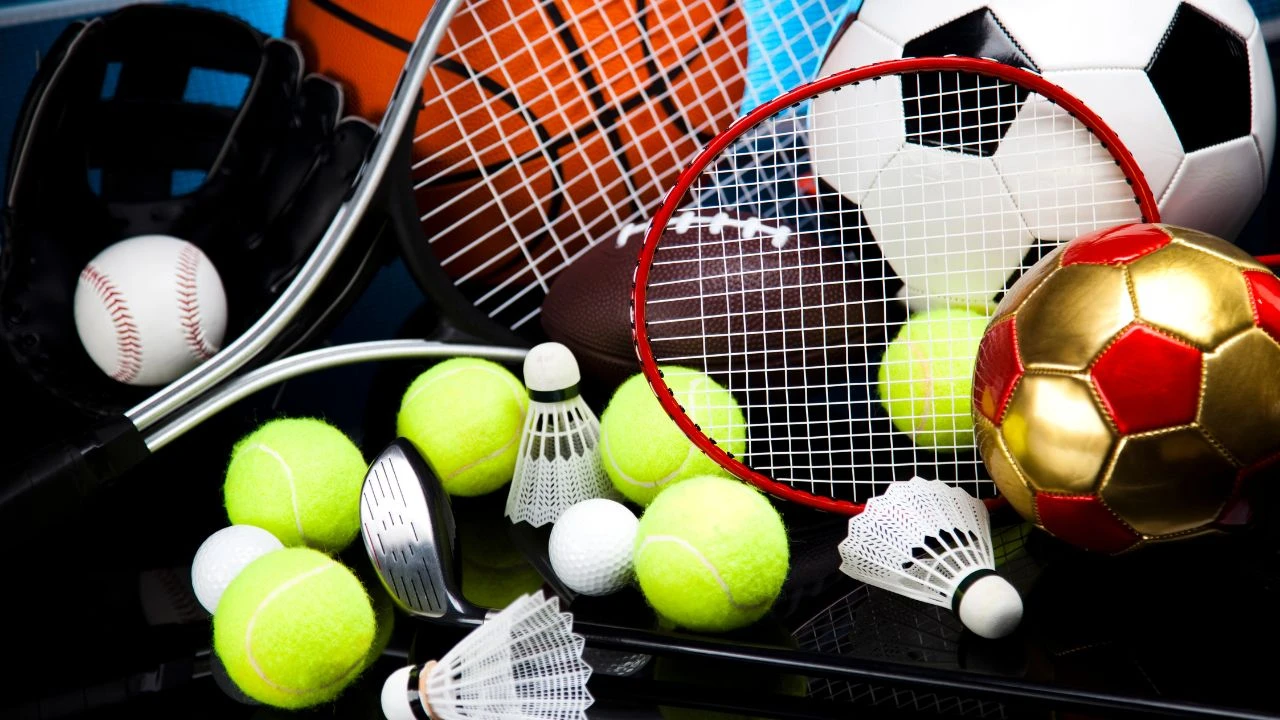
Ball sports form the foundation of most PE programs. A reliable mix of footballs, netballs, basketballs and soccer balls allows schools to run a wide range of activities without constant setup changes. Different sizes are essential. Younger students benefit from smaller, lighter balls, while older students require regulation sizes for skill development and gameplay. Durable, all-weather options ensure consistent use across surfaces and conditions.
Agility and training equipment
Agility equipment develops movement, coordination and structured drills. Cones, markers, ladders and low hurdles are used across warm-ups, skill stations and team activities. They are highly versatile and easy to adapt. Cones can mark boundaries, create lanes or define stations, while ladders and hurdles improve footwork and speed training. This equipment keeps sessions organised and efficient to deliver.
Fitness and conditioning equipment
Fitness equipment supports structured warm-ups and whole-class conditioning activities. Skipping ropes, resistance bands and exercise mats allow schools to run consistent sessions that build endurance, strength and flexibility. These tools are easy to scale across different ability levels and year groups. They also work well in circuit formats, helping teachers keep large groups active without relying on sport-specific setups.
Sport-specific equipment
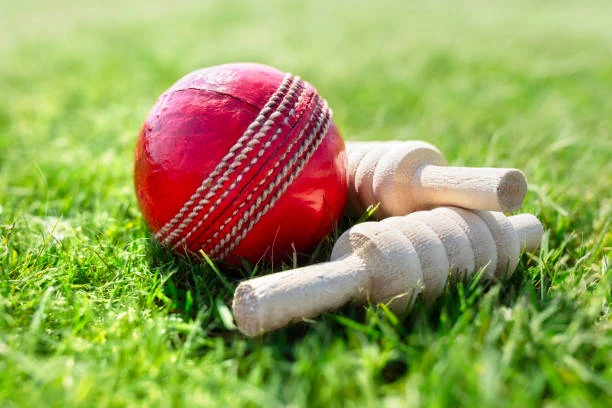
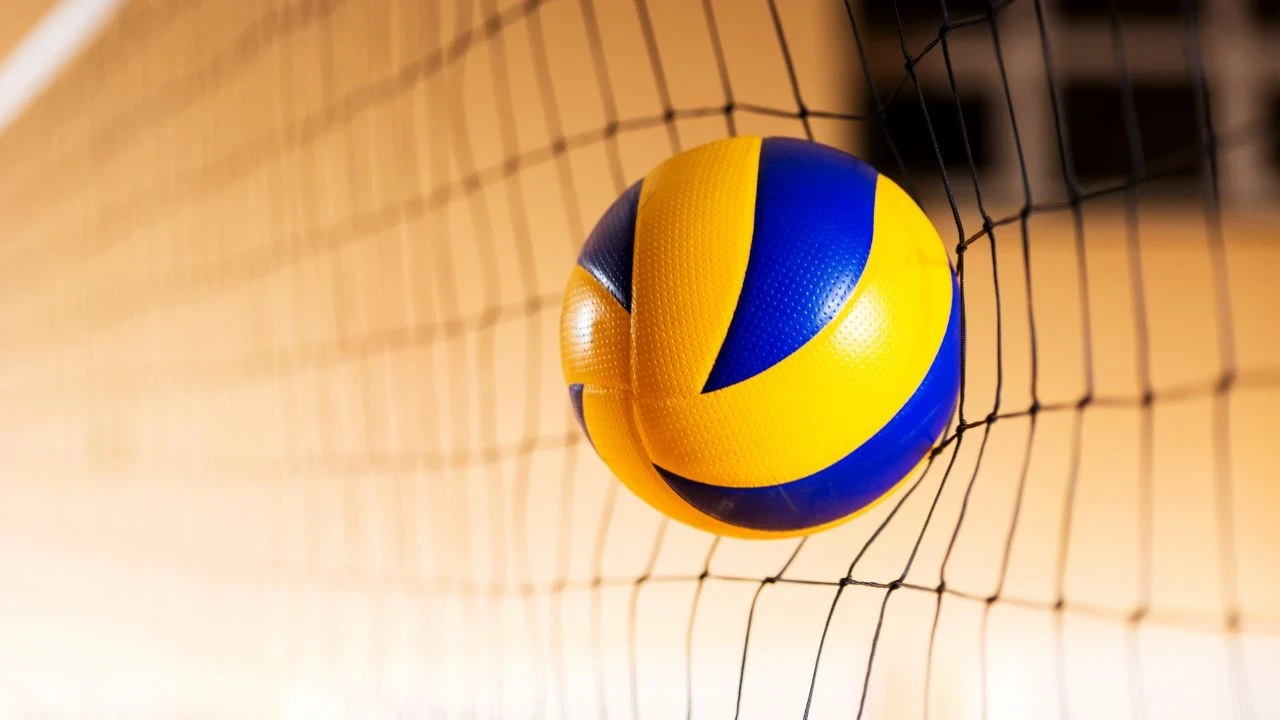
Schools should include sport-specific equipment to enable structured play and skill application. Cricket sets, tennis racquets, volleyball systems and hockey sticks allow students to engage with each sport in a more meaningful way. This equipment aligns with curriculum delivery and extracurricular activities. Selecting items that can be adapted across multiple sports or drills improves usability and reduces unnecessary duplication.
Primary school PE equipment essentials
At the primary level, equipment should focus on safety, confidence and fundamental movement skills. Softer materials and lightweight designs make it easier for students to participate while reducing the risk of injury.
Foam balls, beanbags and balance equipment help develop coordination, control and basic movement patterns. Hoops and simple targets improve accuracy and spatial awareness in a controlled environment. Versatile equipment is especially valuable in primary settings. Items that can be used across multiple activities help maintain engagement while keeping lessons simple to organise.
Upper primary and secondary PE equipment
As students progress, equipment should focus on performance, structure and more advanced skill development. Regulation-size balls, full-height nets and sport-specific gear become essential for consistent gameplay.
Strength and conditioning tools can also be introduced to develop fitness and performance outcomes. At this level, equipment needs to handle more intensive use and align with structured sport delivery. Consistency in sizing and quality becomes increasingly important. It allows students to develop skills that transfer directly into competitive and extracurricular settings.
Accessories and PE support equipment
Supporting equipment plays a practical role in maintaining structured and efficient lessons. These tools help manage time, organise groups and improve overall lesson flow. Whistles provide clear control and stopwatches assist with timing and pacing, while drink carriers help maintain hydration during longer sessions. Coaching boards and markers can also assist with demonstrations and instruction. Although often overlooked, this equipment helps reduce downtime and keeps activities running smoothly.
Storage and organisation essentials
Effective storage keeps equipment accessible. Without clear systems, items are harder to locate and more likely to wear out prematurely. Ball carts, storage racks and equipment trolleys allow schools to manage equipment efficiently across different spaces. Clearly defined storage areas also reduce setup time and maintain consistency across classes. A structured approach improves both usability and equipment lifespan.
Safety and maintenance considerations
Regular maintenance ensures equipment remains safe and reliable. Damaged items, worn surfaces or unstable setups can interrupt lessons and increase risk. Schools should carry out routine checks, replace faulty equipment and ensure all items are appropriate for the intended age group. Choosing durable materials and maintaining them properly helps extend lifespan and reduce long-term costs.
Sample PE equipment checklist for schools
Use this list of sports equipment for schools as a quick reference when reviewing, planning or buying PE equipment:
Ball sports equipment
- • Footballs
- • Netballs
- • Basketballs
- • Soccer balls
Agility and training equipment
- • Cones and markers
- • Agility ladders
- • Low hurdles
Fitness and conditioning
- • Skipping ropes
- • Resistance bands
- • Exercise mats
Sport-specific equipment
- • Cricket bats and balls
- • Tennis racquets and balls
- • Volleyball nets and balls
- • Hockey sticks
Accessories and support tools
- • Whistles
- • Stopwatches
- • Drink carriers
- • Coaching boards
Storage and organisation
- • Ball carts
- • Storage racks
- • Equipment trolleys
Safety and maintenance
- • First aid kits
- • Replacement parts
- • Inspection routines
Tailoring your PE equipment checklist
Every school’s equipment needs will vary depending on its facilities, student age groups and sports programs. Use this checklist as a guide rather than a fixed standard. Adjust your selection based on curriculum requirements, available space and the types of activities your school delivers throughout the year.
Build a reliable PE setup with Buffalo Sports
A complete PE setup depends on having the right equipment in place and keeping it ready for use. When equipment is consistent and reliable, it becomes easier to run structured lessons, manage large groups and support a wide range of activities.
Buffalo Sports supplies durable, school-ready equipment developed for the demands of daily use across primary and secondary programs. With a broad range covering ball sports, training equipment, storage and accessories, schools can build a setup that remains organised, dependable and ready for every lesson. Contact us to find the right equipment for your school setup.