
How To Set Up A Multi-Sport Court At School
Schools are under increasing pressure to make better use of limited space while supporting a wide range of physical activities. Timetables are tighter, facilities are shared more often and budgets need to stretch further. A single court is often expected to support different sports, age groups and levels of play throughout the day.
A well-planned multi-sport court allows students to move between activities without needing separate facilities, making it easier to deliver PE lessons, manage extracurricular programs and keep students active. However, setting up a shared court is not as simple as adding extra lines to a surface. Without careful planning, courts can become cluttered, difficult to manage and less effective for both teaching and play.
This guide outlines the key steps schools can follow to create a multi-sport court that works across different age groups, sports and daily use.
What is a multi-sport court?
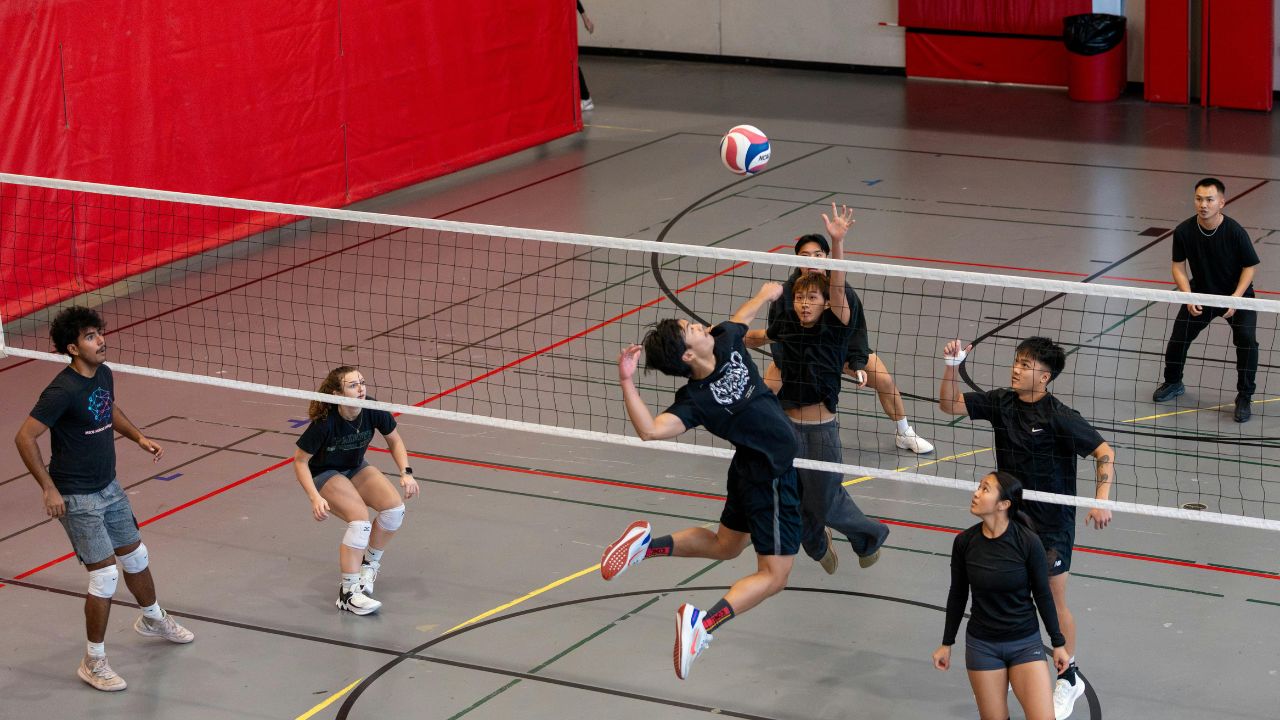
A multi-sport court is a single playing surface designed to support more than one sport. Instead of building separate areas for each activity, schools can combine sports such as basketball, netball, volleyball and futsal into one shared space.
This approach increases flexibility and improves access, but it also introduces complexity. Overlapping markings, shared equipment and different space requirements must all be carefully managed to avoid confusion and maintain usability.
Steps to set up a multi-sport court at school
Setting up a multi-sport court requires careful planning across design, safety and long-term use. Each decision shapes how the space performs day to day, so a structured approach ensures the final result is practical, safe and easy to manage across different sports and user groups.
Step 1: Define how the court will be used
Before any design decisions are made, the intended use of the court should be clearly defined. This includes understanding the age groups using the space, curriculum requirements for PE, extracurricular activities and any community or after-hours use. Younger students often require simplified layouts and lower equipment, while older students benefit from regulation dimensions and more structured setups. Defining these needs early helps ensure the court supports all users effectively without compromise.
Step 2: Select the sports you need to support
Once usage is defined, the selection of sports should guide key design decisions. This is the foundation of effective multi-purpose sports court design. Schools should identify priority sports, such as basketball, tennis and badminton, as each brings specific space requirements, equipment needs and line marking considerations. While adding more sports increases flexibility, it also introduces complexity, so a focused selection creates a more usable and manageable court.
Step 3: Plan court size and layout
With the sports confirmed, the layout should be planned to maximise available space while maintaining safety and usability. Schools need to account for run-off zones, safe movement areas and clear separation between activities. Understanding the dimensions of a multi-purpose, multi-sport court ensures each sport has enough space to function properly without interfering with others. Where space is limited, shared zones can be introduced, but the layout must remain clear and structured to avoid overcrowding and confusion.
Step 4: Design clear and practical line markings
Once the layout is set, line marking should be designed to support clear and consistent use of the court. Clear markings allow students and staff to quickly understand boundaries and switch between activities without disruption. Using distinct colours for each sport reduces confusion, with primary sports given the most visible lines and secondary activities kept more subtle. A consistent system improves organisation, reduces errors during play and supports smoother transitions between sessions.
Step 5: Choose the right surface
Surface selection has a direct impact on safety, performance and long-term maintenance. The design of a multi-purpose sports court should reflect how frequently the space will be used and the conditions it will be exposed to. Hard surfaces offer durability and lower upfront costs, while synthetic options provide better grip and shock absorption for high-use environments. In most school settings, the priority is a surface that delivers consistent performance with minimal maintenance requirements.
Step 6: Plan for safety and supervision
Once the physical layout is defined, safety and supervision should be built into the overall design. This includes maintaining adequate run-off space, ensuring safe distances between equipment and creating clear sightlines for teachers and supervisors. A layout that allows staff to oversee all activities helps reduce risk and improves control, particularly when multiple activities are taking place at the same time.
Step 7: Include essential infrastructure
To support long-term use, the court should include reliable fixed infrastructure. This typically involves fencing to define boundaries, lighting to extend usability, drainage to prevent water build-up and accessible storage for sports equipment. Well-considered infrastructure ensures the court remains functional, reduces disruption during use and supports consistent performance throughout the year.
Step 8: Use flexible equipment to maximise space
While fixed infrastructure supports long-term use, flexible equipment allows the court to adapt to different activities throughout the day. Schools can use cones to create temporary zones or adjust drills and a court line set to introduce additional sports without adding permanent markings. An all-in-one post system can also be utilised to accommodate badminton, tennis, volleyball and even netball with just one set. These solutions make it easier to switch between activities quickly while maintaining a clean and organised playing surface.
Step 9: Plan your budget and long-term costs
With the design and setup clearly defined, budgeting should cover both initial investment and ongoing use. The multi-purpose, multi-sport court dimensions, surface selection and equipment choices all influence overall cost. Schools should account for site planning, materials, installation and future maintenance to ensure the court remains reliable over time. A well-planned budget ensures long-term performance and keeps the space safe, functional and cost-effective.
Build a court that works for every student with Buffalo Sports
A multi-sport court gives schools a practical way to support a wide range of activities within a single space. When planned correctly, it improves access, increases participation and makes better use of available facilities. Focusing on clarity, safety and usability at every stage ensures the court works reliably for both daily use and long-term needs.
If your school is planning a new court or upgrading an existing space, the right equipment makes setup faster, safer and easier to manage. Buffalo Sports supplies durable, school-ready solutions designed for multi-sport environments, including adaptable systems like Super Base Systems that support flexible layouts and efficient transitions between activities. With practical equipment built for everyday use, schools can run multiple sports with less setup time and greater consistency. Contact us to explore your options.