How Should I Choose The Right Ball For Training Versus Match Play For Rugby
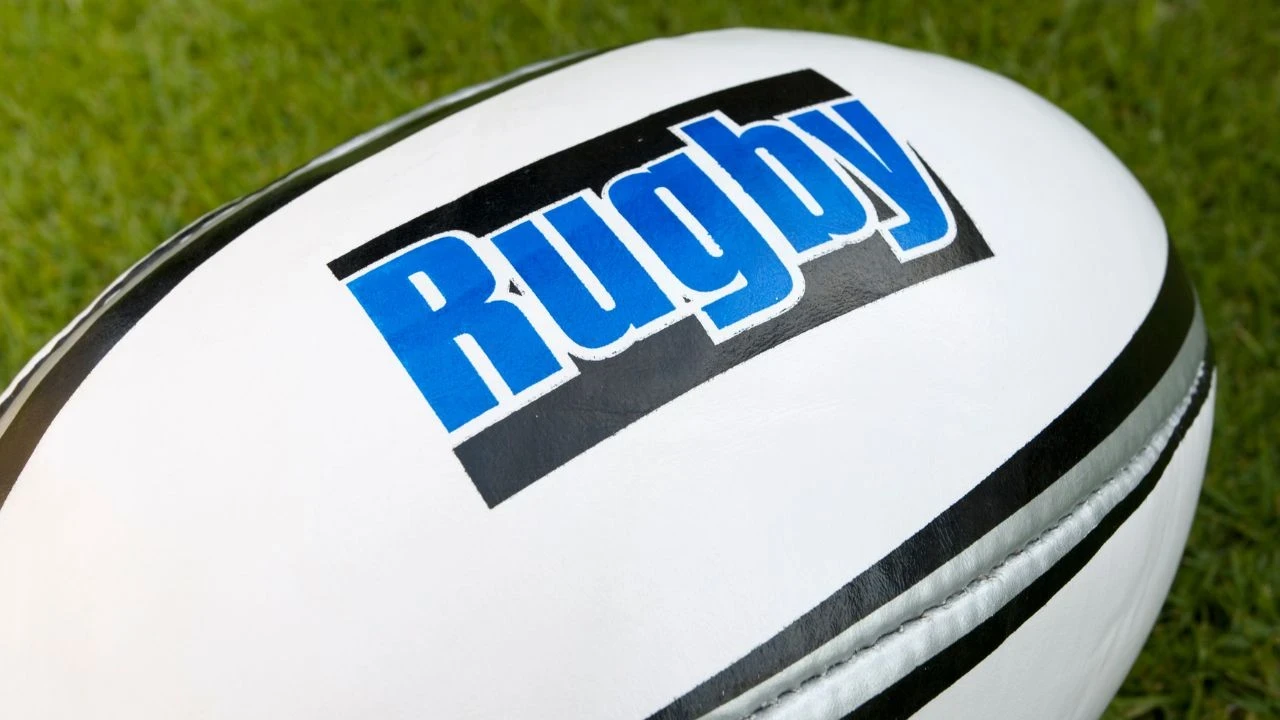
Rugby puts a ball through a lot, from repeated passing and kicking at training to the pressure of set plays and goal attempts on game day. The way a ball is built can make a real difference to how well it handles those demands over time. In this guide, Buffalo Sports looks at the features that differentiate a rugby training ball vs match ball and how to choose the right option for your needs.
Key features to look for in a rugby training ball
A good training ball needs to stay dependable through high-repetition sessions, where it may be passed, kicked, dropped and carried across different drills several times a week.
- Hard-wearing outer material — Training balls often use durable rubber or synthetic compounds designed to withstand repeated ground contact and abrasive surfaces.
- Robust panel construction — Reinforced stitching or secure panel joins can help the ball maintain its structure.
- Reliable air retention — A training ball should hold pressure well between sessions, especially when coaches are managing several balls at once.
Key features to prioritise in a rugby match ball
With a match ball, consistency becomes more important because small differences in grip or shape can affect execution and, ultimately, game outcomes.
- A high-quality grip — Match balls often use higher-grade rubber compounds and carefully designed surface patterns to give players secure handling without making the ball feel overly rigid.
- Shape retention — A match ball should hold an even oval profile throughout the game. Multi-ply construction and quality stitching can help prevent the ball from becoming distorted after repeated kicks, tackles and ground contact.
- Balanced flight off the boot — A well-balanced bladder and valve placement can help reduce uneven flight, which matters for conversions, punts, box kicks and kick-offs.
Should clubs keep separate training and match ball sets?
For clubs with regular weekly sessions, separate sets can help keep equipment costs under control while preserving match-day quality. Training balls take on the repeated wear from drills, contact work and rougher surfaces, so higher-spec match balls do not need to be replaced as often.
Using a dedicated match set also means the grip, weight and response are less likely to vary from one ball to another. For kickers and playmakers, that makes it easier to judge passes, restarts, box kicks and goal attempts.
When should a rugby ball be replaced?
Here are a few clear signs that your rugby ball is no longer performing as it should:
- The grip has worn smooth and feels harder to control
- The ball needs frequent reinflation or loses air during a session
- The shape looks uneven, bulged or lopsided
- The stitching is frayed or the panel joins are starting to separate
Rugby match ball vs training ball: which is right for you?
When deciding between a training ball vs match ball, think about where the ball will be used most and how much wear it needs to handle. Explore Buffalo Sports’ rugby league and union range today to find equipment for players, clubs and schools. Need help choosing the right model? Use our size guide to narrow down your options, or speak with our friendly team for personalised advice.
FAQs
What's the difference between a training rugby ball and a match ball?
The main difference between a match ball vs a training ball is what each one is built to prioritise. Training balls focus on durability for frequent drills and repeated ground contact, while match balls place more emphasis on performance, precision and grip.
Do training balls have a different grip or panel construction?
They can. Training balls may use tougher outer materials and grip patterns designed to hold up through repeated handling, while higher-spec match balls often place greater emphasis on a consistent grip and finish. Panel construction can also vary between models.
What size ball should I use for my age group (mini, junior, senior)?
For rugby union, Buffalo Sports recommends Size 3 for younger players, Size 4 for juniors and Size 5 for players aged 15 and over. Rugby league uses a slightly different system, with Mini generally suited to ages 6–9, Mod for ages 10–12 and Size 5 for ages 13+. Always check the rules of the relevant club or competition, as junior requirements can vary.
Are match balls suitable for wet-weather training?
We don’t recommend using match balls regularly for wet-weather training, as repeated exposure to mud, moisture and heavy use can rapidly degrade their expensive grip and seams.
How does ball pressure or inflation differ between training and match balls?
Training and match balls do not necessarily require different pressure simply because of how they are categorised. Follow the recommended inflation range for the individual ball and check pressure regularly, particularly before games. For rugby union, World Rugby specifies a starting match pressure of 9.5–10 psi for regulation balls.
What should I look for in a durable training ball for regular use?
Start with hand-stitched construction and a multi-ply polyester and cotton lining, which can give the ball added strength. Look for a high-grade natural and synthetic rubber outer with a multi-dot grip to support secure handling during drills. A balanced latex or in-seam bladder can then help the ball retain its shape.