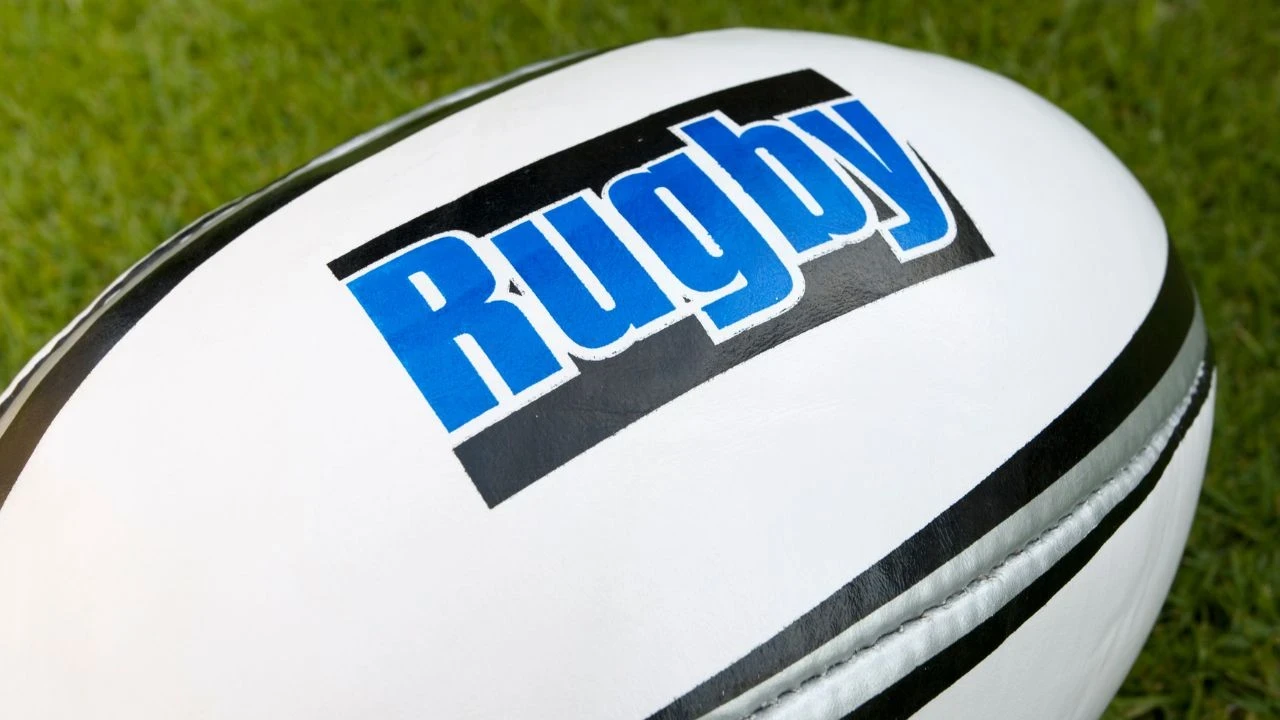
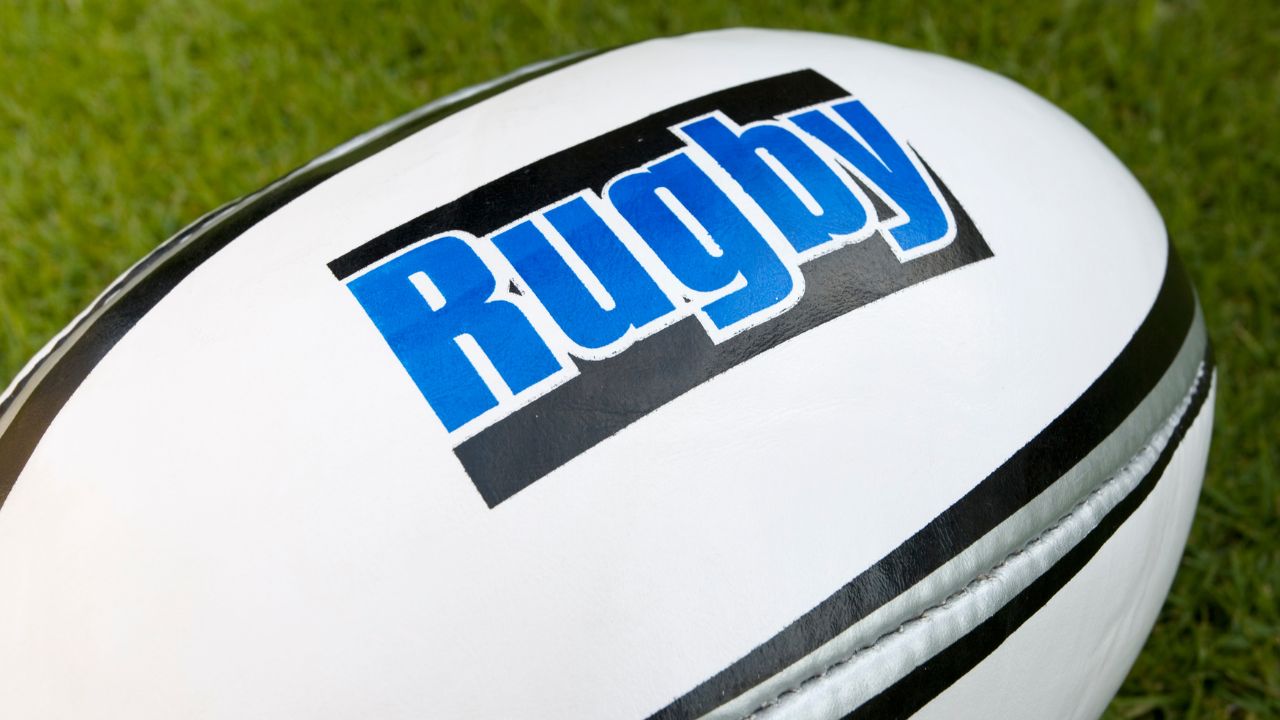
Choosing the right rugby ball can make a big difference in how players learn, train and perform. Whether you're buying for schools, clubs or junior players, understanding rugby ball sizes by age and use ensures better handling, skill development and confidence on the field.
This rugby ball size guide breaks down everything you need to know, from sizing and use cases to training vs match balls, so you can choose the right option with ease.
Rugby ball sizes by age
Use this quick reference chart to find the right size:
- Size 3 — Ages 5–9
- Size 4 — Ages 10–14
- Size 5 — Ages 15+
What each rugby ball size is used for
Understanding senior and junior rugby ball sizes helps ensure players are using equipment suited to their ability, which improves both safety and skill progression:
- Size 3 — Ideal for PE classes and junior training. Smaller and lighter, making it easier for younger players to grip and pass.
- Size 4 — A transition ball used in schools and youth training, helping players build strength and technique.
- Size 5 — The official size used in senior training and competitive match play.
Training Balls vs Match Balls
Not all rugby balls are the same. Choosing between training and match balls depends on how they’ll be used:
- Training balls — Built for durability and frequent use, making them ideal for schools, drills and practice sessions.
- Match balls — Designed for performance, offering better grip, balance and accuracy during games.
For most schools and clubs, training balls are the most practical choice for everyday use.
Rugby Union vs Rugby League Balls
While sizing is similar, there are slight differences between codes:
- Rugby union balls are slightly rounder and designed for passing and kicking variety. Explore rugby union balls for match and training options.
Below is a quick chart for union ball sizes and their appropriate age range.
|
Ball Size |
Length (mm) |
Girth (mm) |
Approx. Age (yrs) |
|
Size 3 |
255 |
535 |
7-9 years |
|
Size 4 |
275 |
545 |
10-14 years |
|
Size 5 |
285 |
585 |
15+ years |
- Rugby league balls are more streamlined, supporting faster gameplay and handling. Browse rugby league balls for suitable options.
Below is a quick guide for league ball sizes and types and their appropriate age range.
|
Size |
Tip to Tip Length |
Long Side Length |
Around the Belly |
Age |
|
Match & Training Balls |
||||
|
Mini |
9 in 23 cm |
12 in 30.5 cm |
19 in 48 cm |
6-9 years |
|
Mod |
10 in 25.5 cm |
13 in 33 cm |
19.5 in 49.5 cm |
10-12 years |
|
Size 5 |
12 in 30.5 cm |
14.5 in 37 cm |
23 in 58.5 cm |
13+ years |
You can also explore the full rugby range to find equipment for both formats.
How schools should choose the right rugby ball
For schools and PE programs, versatility and durability are key:
- Stock a mix of size 3 and size 4 balls to cater to different age groups
- Choose training balls for regular use
- Prioritise grip and durability over high-performance features
- Make use of rugby training accessories to support structured drills and skill development
FAQs
What is the difference between size 3, size 4 and size 5 rugby balls?
Generally, size 3 is for young children, size 4 is for youth players and size 5 is the official full-size ball used by older players.
What size rugby ball is used in rugby union?
Size 5 is the official match ball for adult rugby union, with smaller sizes used for juniors.
What size rugby ball is used in rugby league?
Rugby league also uses size 5 for senior play, with size 3 and 4 used for younger age groups.
What size rugby ball does my child need?
You can refer to this rugby ball size guide by age: size 3 for ages 5–9, size 4 for ages 10–14.
Should I buy a training ball or match ball?
Training balls are best for regular practice and school use, while match balls are suited for competitive play.